
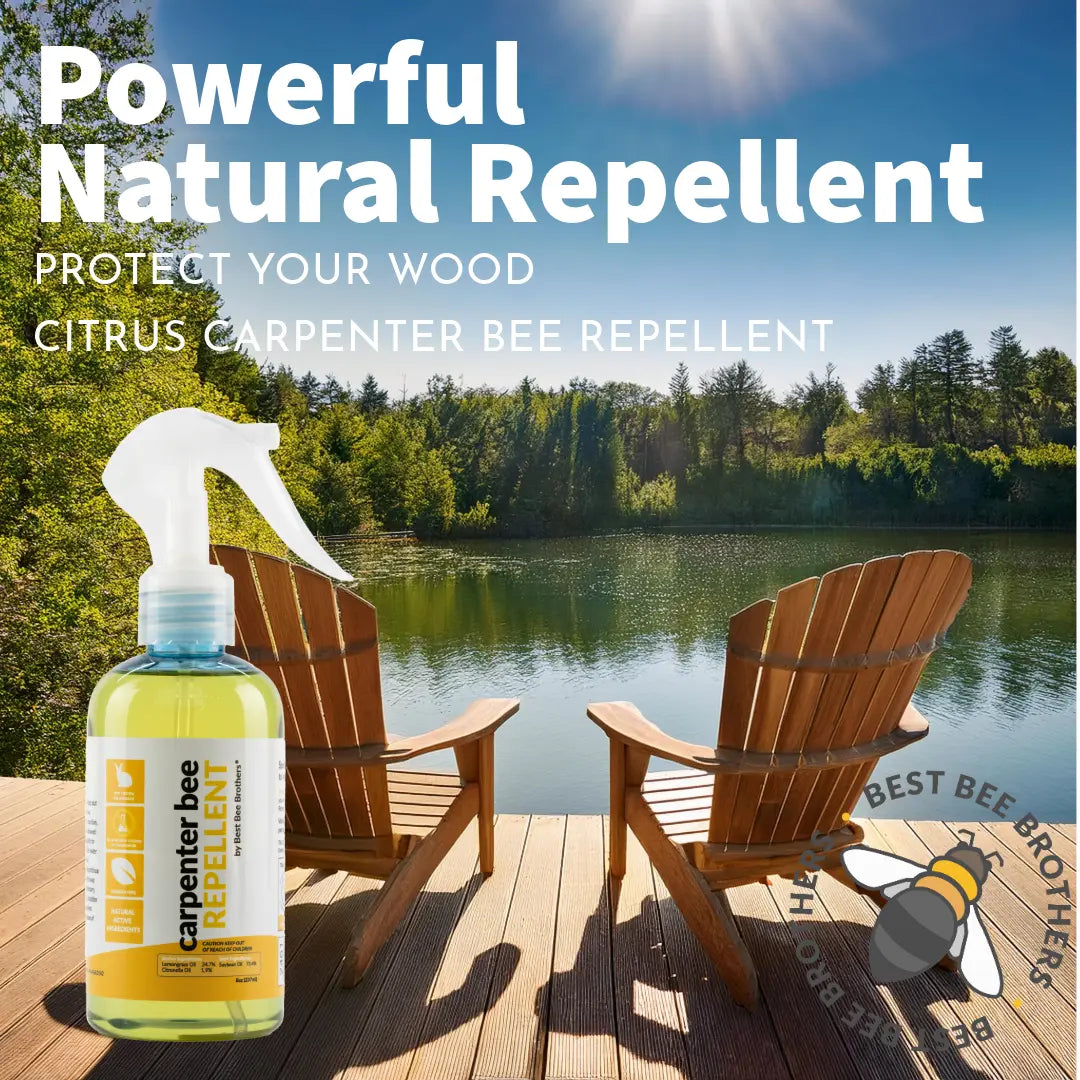
Spring is a season that brings new life and warmth, but it can also introduce some unwelcome guests to our outdoor spaces. Bees and wasps, while essential to our ecosystem, can sometimes become pests. With the right preparations, you can enjoy a pest-free season outdoors without harming these beneficial insects.
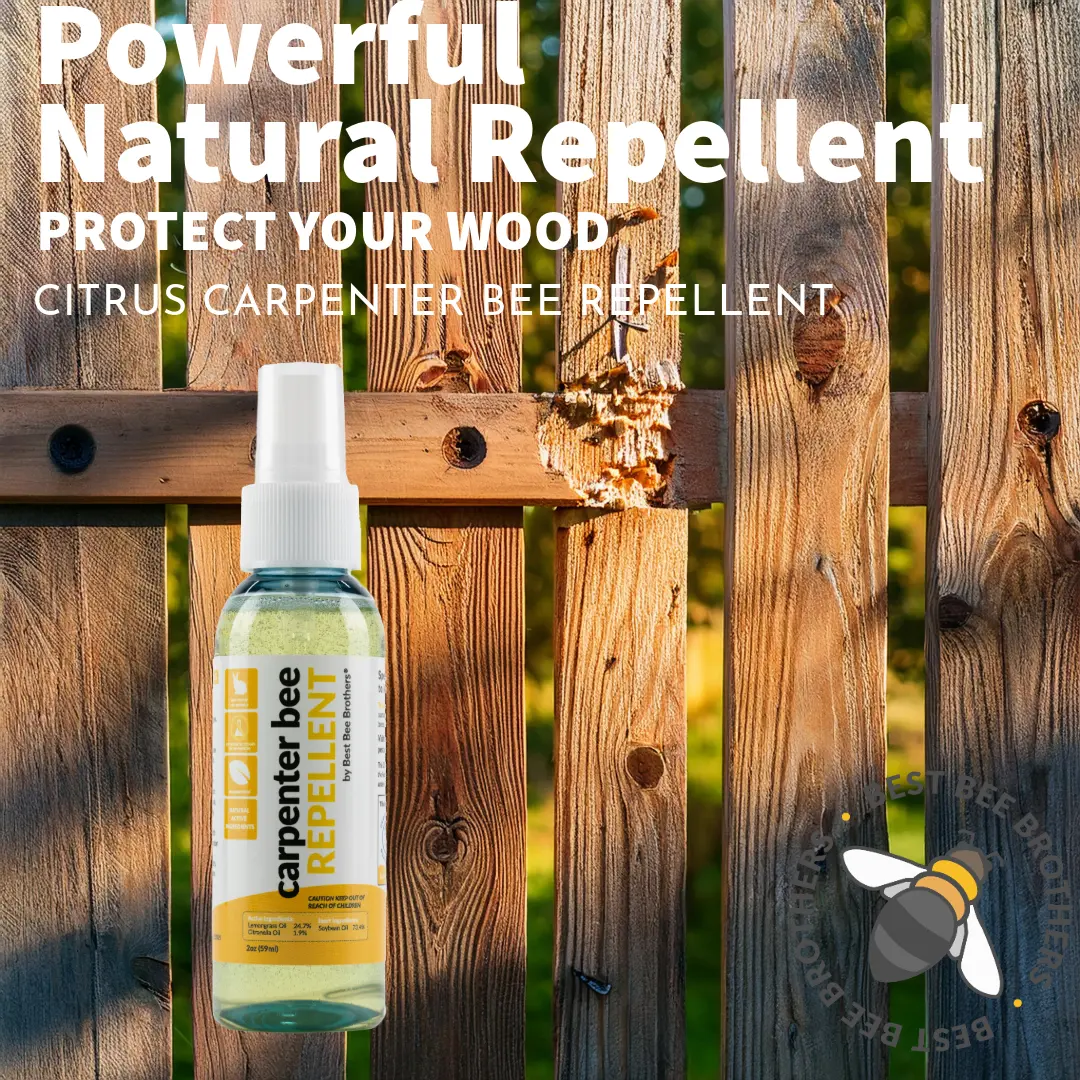
Identifying Common Nesting Sites
Learning to identify common nesting sites can help prevent bees and wasps from making your outdoor areas their permanent homes. From eaves to garden sheds, a little vigilance goes a long way in maintaining control over their nesting habits.
Wasps typically prefer sheltered areas that offer protection from the elements, such as roof eaves, awnings, and even playground equipment. These sites provide ideal conditions for the construction of nests, which can grow quite large over the course of a season. Bees, conversely, may seek out hollowed tree trunks or wall cavities as their living quarters. Regularly inspecting these potential hot spots can help you catch any signs of nesting activity early on. If nests are discovered, it's recommended to seek professional advice to handle removal safely, ensuring no harm comes to the insects or your family.
Proactivity is essential when considering the spring prep for bees and wasps. Marking the common nesting sites during your yard's walk-throughs enables you to implement preventative measures such as sealing up small holes or using repellent substances like essential oils. Addressing potential nesting sites before colonies are established saves you the hassle of dealing with larger infestations later in the season.
Make Your Yard a Little Less Inviting
A few simple changes around your outdoor space can go a long way in keeping bees and wasps from settling in. The goal isn't to sacrifice the beauty of your yard it's just about making your space less appealing for nesting and foraging.
Start with the basics: cleanliness and maintenance. Wasps are drawn to sugary drinks, food scraps, and protein sources, so regularly cleaning outdoor dining areas and keeping garbage bins sealed helps remove those easy food sources. If you have fruit trees, try to pick up fallen fruit before it attracts unwanted attention.
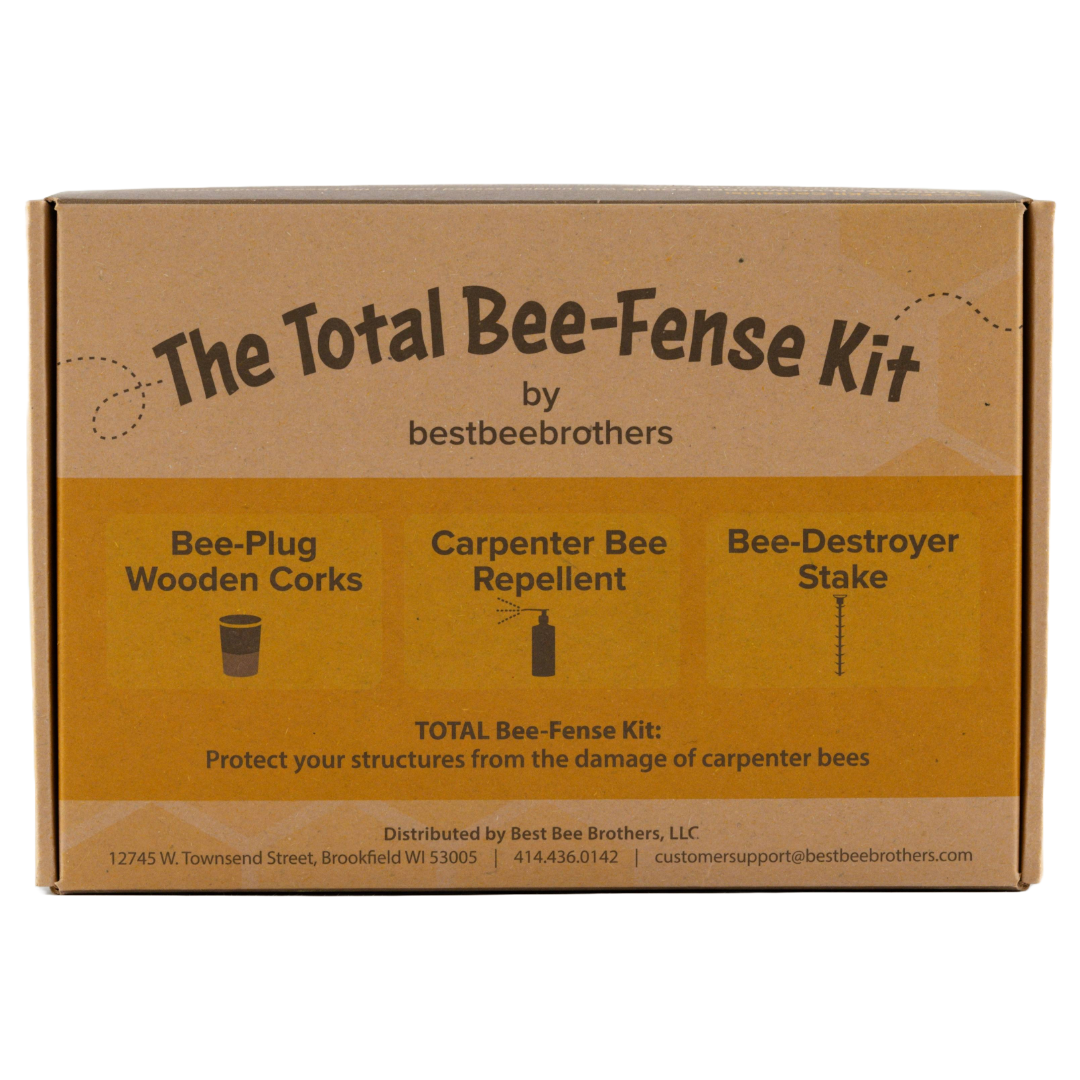
Next, take a look at potential nesting spots. Small gaps, cracks, and exposed wood can become ideal homes for insects. Sealing these areas and treating vulnerable wood surfaces can help discourage activity before it starts. Products like our Total Bee-Fense Kit are designed to help protect decks, siding, pergolas, and other wooden structures that carpenter bees love.
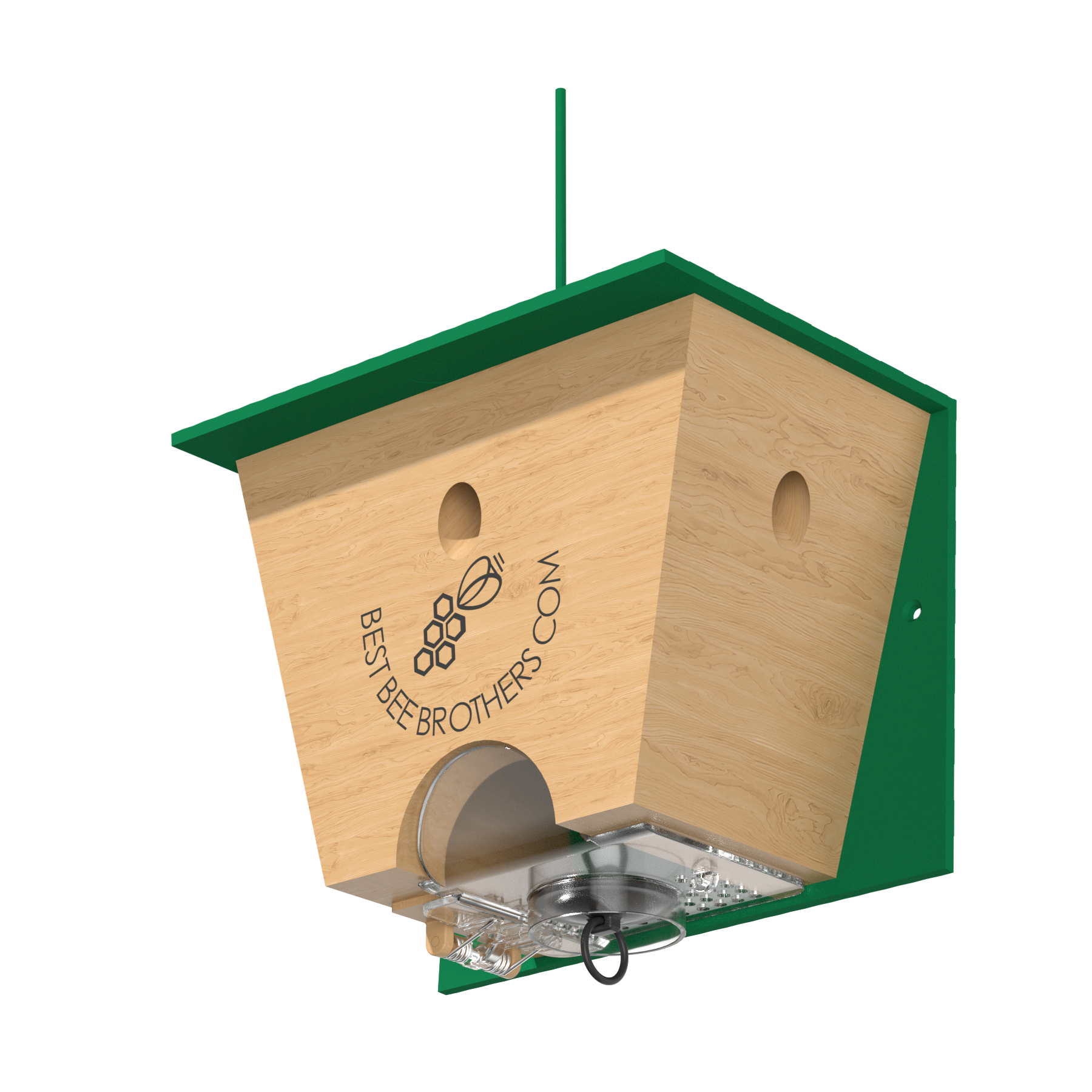
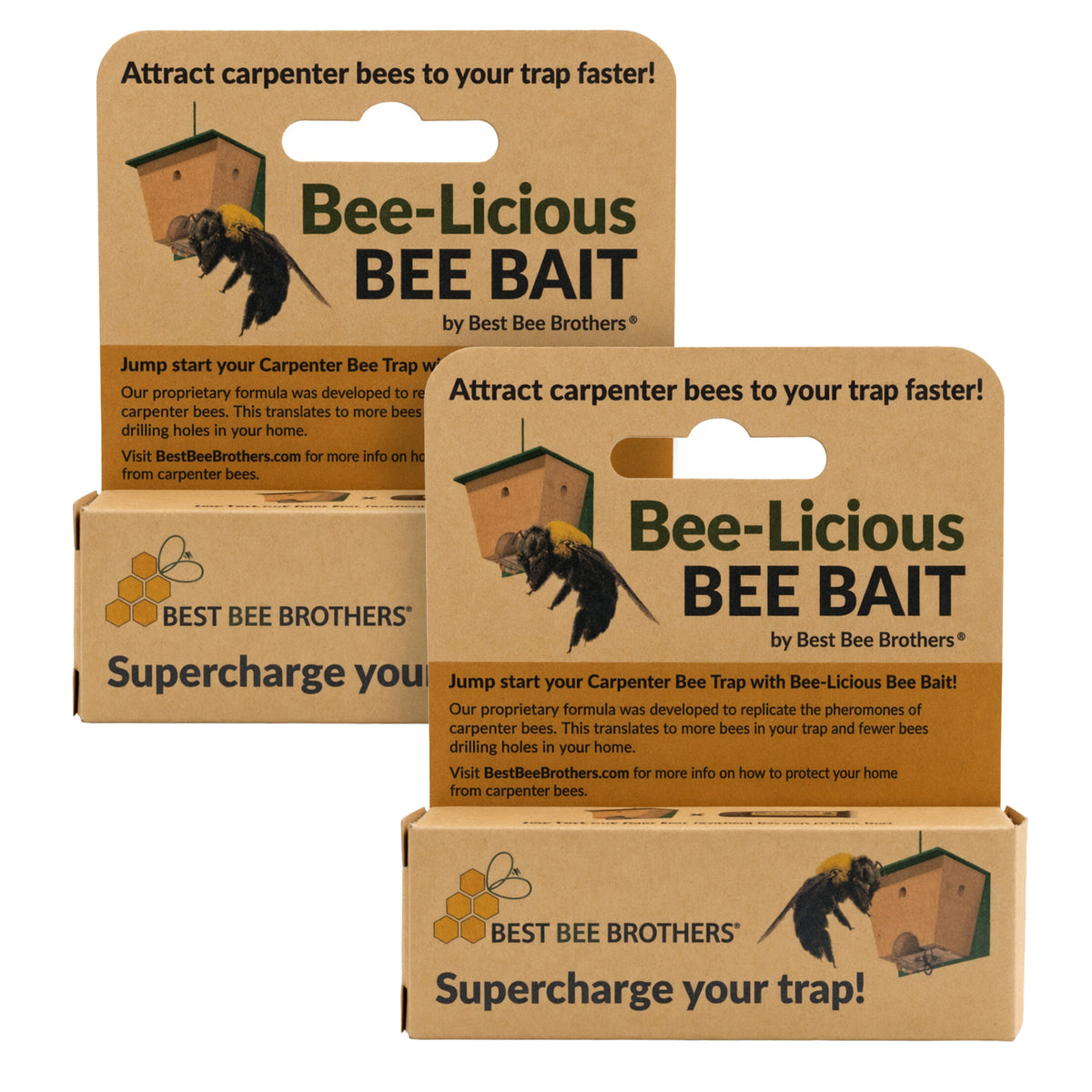
One of the easiest ways to make your home less inviting to carpenter bees is by intercepting them before they start drilling. Carpenter bees naturally search for existing nesting areas and exposed wood, which is why trapping early in the season can make such a big difference. Our Ultimate Pro Carpenter Bee Trap is designed to take advantage of this behavior. The trap mimics the type of wood structure carpenter bees are naturally drawn to, guiding them into the trap before they have a chance to bore into your deck, siding, or pergola.
Embrace Spring with Confidence
By taking early action and implementing these strategies, you can enjoy a beautiful and comfortable outdoor season. Protecting your space from unwanted pests while still respecting the crucial roles bees and wasps play in our environment ensures a harmonious balance. Cheers to a delightful spring free of pest-related stresses!


Leave a comment
All comments are moderated before being published.
This site is protected by hCaptcha and the hCaptcha Privacy Policy and Terms of Service apply.